SERENISS
Booking

Massages · Traditions
The art of Chinese massage. To free the Qi, the vital energy.
What's included
Precise stimulation of the points along the meridians.
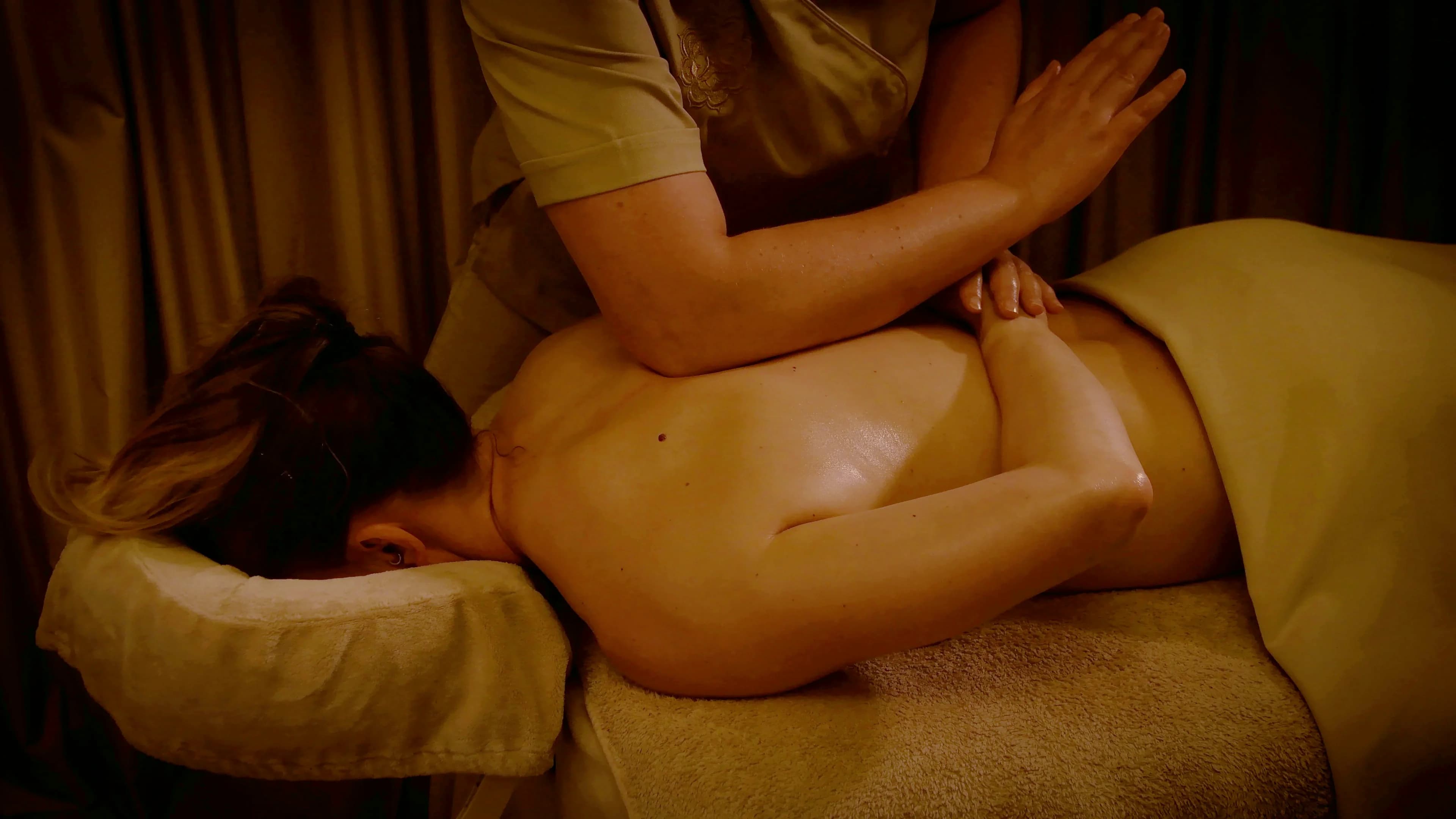
Rotating work on the deep tissue to release tension and adhesions.
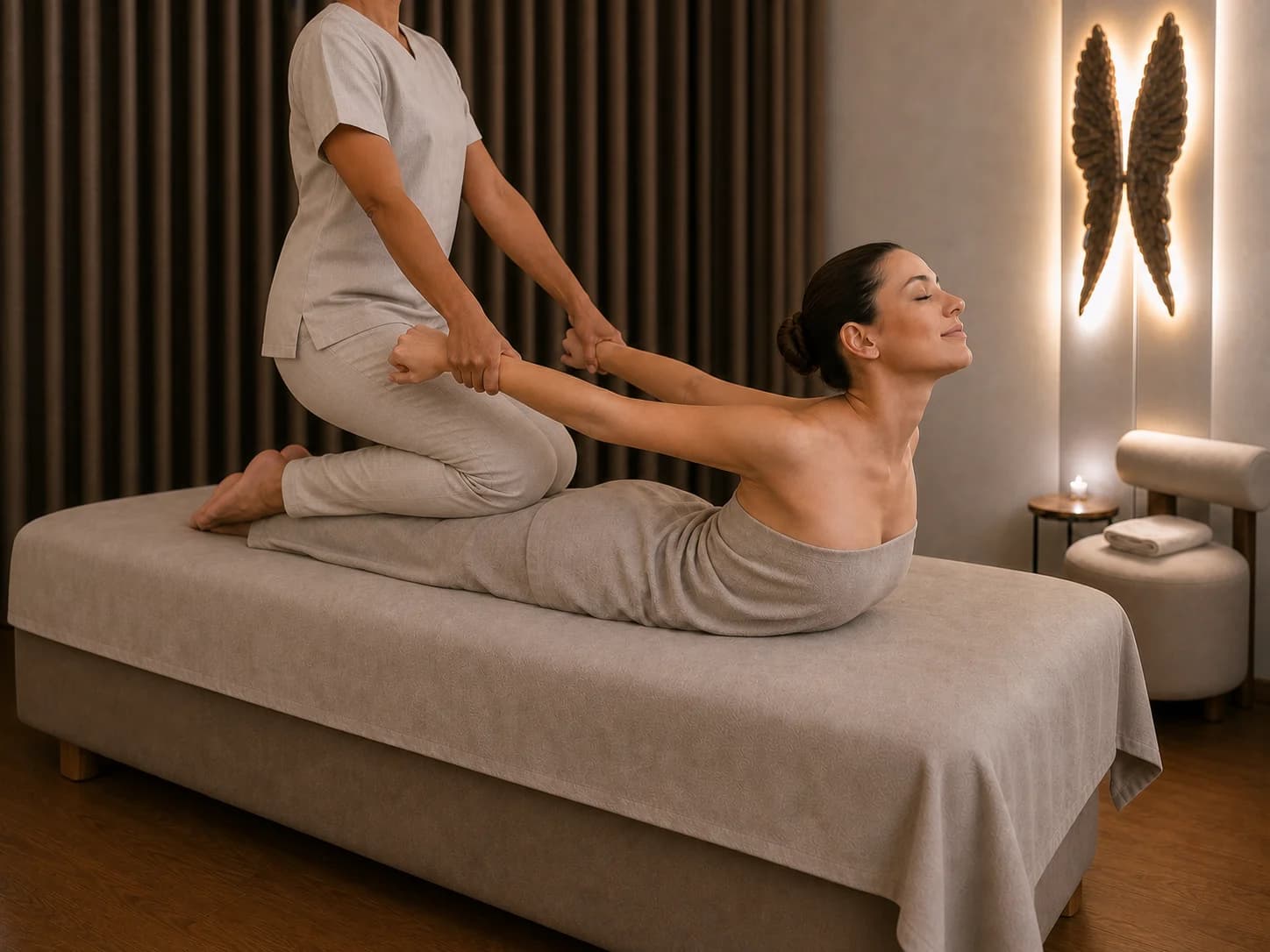
Stretches and mobilisation to restore the body's fluidity.
The feel
What you'll experience
Far more than a relaxing massage: Tui Na specifically helps ease energy blocks and targeted pain.
By unblocking the meridians, this massage restores the free flow of vital energy through the whole body.
Tui Na is one of the 5 foundational pillars of traditional Chinese medicine, alongside acupuncture and herbal medicine.

The essence of the treatment
Chinese Tui Na Massage in Brussels
Tui Na — literally "push-grasp" — is the age-old art of Chinese therapeutic massage, practised for more than 2,000 years. It is one of the 5 pillars of traditional Chinese medicine, alongside acupuncture and herbal medicine.
Our practitioner stimulates the acupoints along the meridians — the energy channels that run through the body — with pressure, kneading and mobilisation. The aim: to restore the free flow of Qi to ease pain, digestive troubles or chronic fatigue. A **therapeutic** approach more than a relaxing one.
Pricing
Free cancellation up to 24h before the treatment
Frequently asked questions
A classic massage mainly aims for muscle relaxation and unwinding. Tui Na is above all **therapeutic**: it sets out to help ease specific problems (chronic pain, digestive troubles, fatigue, insomnia, energy blocks) by stimulating precise points and meridians. If you're looking for pure relaxation, go for the Signature Slow or a Balinese. If you have a targeted problem to address, Tui Na is more suitable.
Acupuncture and Tui Na are both among the 5 pillars of traditional Chinese medicine and work on the same meridians. The main difference: acupuncture uses needles, Tui Na uses the hands. The two are complementary — many Chinese medicine practitioners combine them. Tui Na's advantage: no needles, for those who are wary of them.
Tui Na is especially suited to chronic muscle and joint pain (neck, lower back, sciatica, tendinitis), digestive troubles (bloating, constipation, sluggish digestion), chronic fatigue and low vitality, sleep problems and anxiety, some headaches and migraines, and energy imbalances (feeling "drained"). It's both a preventive and a restorative approach.
Tui Na is more intense than a relaxing massage — the pressure is deep and targeted on the acupoints, which can be tender. That said, it should never be painful. Our practitioner constantly adjusts the intensity to your threshold. The feeling is often described as "intense but good" — a sign the blocks are releasing. If any pressure becomes unpleasant, say so straight away.
Main contraindications: pregnancy (any trimester), fever or a current infection, recent injuries, unstable cardiovascular conditions, anticoagulant treatment, bone fragility, certain cancers in active treatment, and severe psychiatric conditions. As Tui Na is therapeutic, tell us about ALL your health concerns before the session so we can adapt the work.
To work on a specific issue (chronic pain, a digestive problem), we recommend a course: one session a week for 3–4 weeks, then a monthly rhythm to maintain. For prevention and general energy balance, one session every 1–2 months is plenty. In traditional Chinese medicine, it's a treatment you build in regularly, not a one-off therapy.
Going further
À partir de
95€/ 60 min